
Some people may wonder how Castlevania music evolved from tinny MIDI beeps to sweeping orchestral movements. It all started with the PC Engine sequel, Castlevania: Rondo of Blood.
The entire world of Castlevania reached an epoch when composer Masanori Akita and the Konami KuKeihei Club first decided to add in a CD-quality soundtrack into Castlevania: Rondo of Blood. It was the first Castlevania game to truly embrace CD-quality music as an essential component of a video game.
The music made for a completely different atmosphere that was truly a moving experience. The prologue chapter of the game is a quiet horse carriage ride through the forest. Richter Belmont engages in a simple, mysterious battle with Death, who leaves shortly after shooting a giant skull fireball at him.
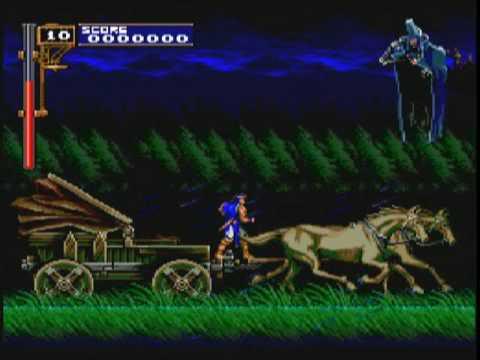
When he arrives at his destination, the village is engulfed in flames. The tragic opening song, "Divine Bloodlines," is a dark minor key song that adds to the urgent purpose of Richter's mission. Oddly enough, it sounds more like a samurai's call to arms. It opens with the sound of a shamisen-like string instrument before the electric guitar plays the soulful melody.
Many of beautiful songs that follow Chapter 1 are clearly intended to pump Richter up for the upcoming battles against skeletons, zombies and giant undead yaks. Songs such as "Cross a Fear" even include the Final Fantasy electronic trumpet melody that would give Richter that heroic energy that is necessary to triumph over undead enemies.
There are quite a few melodies that are rehashed versions of old Castlevania songs. However, the music has a much more urgent tonality. Take "Bloody Tears" from Super Castlevania IV, for example. The big entrance into the main chapel of Dracula's castle had to have an epic sound, so the composers embellished this awesome track with a spooky church organ intro, a fast drumbeat and a sweeping melody with a synthesized string section.
The scariest part about all this music, though, is that the instruments sound very close to actual instruments. The realistic sound makes even the most courageous gamer feel like they are stuck in a thrilling horror game. It keeps them from making Richter die a horrible, bloody death.
Although this was an incredible soundtrack, there were noticable songs, such as the song before the boss battles, that still kept that old, 16-bit feeling. I think it's called "Dark Desires." The song always will remind people that this is still a sequel to an long-lasting video game which used to settle with tinny beeps and blaps. Yet, the song is uncanny for its loud 8-bit noises that keep you irritated and uncomfortable right before the intense fight music associated with the ultimate boss battles.
The boss music, entitled "Dancing in Phantasmic Hell," is uncanny for it's ability to keep you uncomfortable and frightened for the entire battle. The song is filled with loud orchestra blasts, followed by flute and string melodies that sound horrific and dissonant. The terrifying song obviously must have impressed the Castlevania developers, because they kept the exact same song in the sequel of the game, Castlevania: Symphony of the Night.
And even throughout all the adrenaline-rushing music, the developers still had a keen sense of humor. For the shoujo (girl) token character, Maria Renard, the composers managed to slap in a cheesy, childish song for her ending. "Mary Samba" is bound to cheer anyone up after a long day of vampire hunting, with whistles, bright horns and marimbas. If only they could do this for all of the Castlevania games.
Overall, this soundtrack is amazing for its ability to engage gamers into a dramatic storyline of revenge. A story where a legendary vampire hunter is seeking to put an end to Dracula's legacy of terror. Yet, this is also a game willing to take risks with a few childish songs in the most unexpected sections of the game. Castlevania: Rondo of Blood has a magnificent soundtrack that still defies everyone's expectations of a platform-jumping game even to this day.