Home
Home

I’m a sucker for living vicariously through virtual protagonists. The fact I ran through the Mass Effect series as my Commander Shepard -- even though he just sort of looked like me -- made the overall experience a lot more personal and powerful.

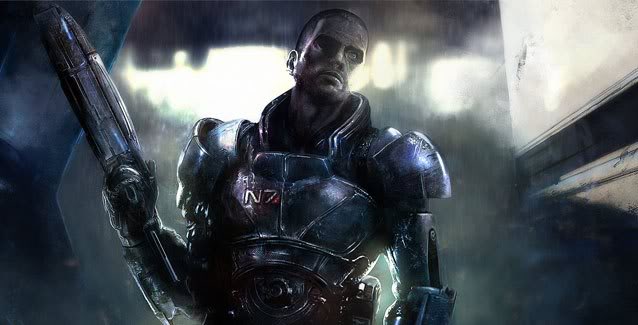
Characters in video games have taken on stronger and more customizable roles as players have grown up over the years. For example, Commander Shepard from the Mass Effect series has had to deal with universe-altering decisions (which players must make) that cater to morality and rationalism alike. This has, of course, contributed to the further development of game protagonists who are in positions of great authority -- enabling them to have free reign over the fate of worlds and people.
Furthermore, corporations are spending an impressive amount of capital cultivating products that have, in turn, given customers a chance to have a distinct voice -- a voice that belongs to the happy and unhappy alike, to the loved and underappreciated, and to those who seek to have their voices heard. We as consumers have been given the ability to affect our favorite worlds, characters, and even music through interactive experiences. This practice has cultivated a growing consumer interest in characterization and customization that has given gamers the power to become their favorite protagonists and antagonists.
For example, was BioWare’s decision to allow players to transfer their saves from one Mass Effect game to another a cool concept? Well, duh! The inspiration that fathered this creative element, however, is housed deeply within the fact that consumers purchase games as a form of escape. For brief moments in time, they might wish to take on the role of a righteous commander or a hot-headed hero. Developers know, and we know, this convenient truth.
Is this simply a fad or an important trend in the industry? I believe the latter. A great change has occurred in gaming within the last 10 years that favors my opinion. As previously mentioned, we’ve seen a greater emphasis on character-driven storylines that have effectual morality cues, giving some titles a moving-film feel -- moving in the sense that these experiences are not linear. The enigma that was Commander Shepard in the first Mass Effect, for example, is the enigma that we made him in Mass Effect 3.
This trend cannot all be attributed to the work that some developers have orchestrated. It is a culmination of many elements that have contributed to the titles that we know and love today.
For instance, Valve has pioneered a large portion of the current gaming market, and it did so almost 10 years ago. Wrapping one’s noggin around the fact that this company had such an immense degree of foresight is astounding -- a foresight that has made Valve stand today as one of the premier development houses in the industry. The idea of having content delivered through an online service for video game audiences is not new in any respect. Independent companies had done it for years, and, in fact, that is how Steam itself started. Valve saw this opportunity, however, and it made a worthwhile gamble.
Both our evolution as players and the evolution of the titles we enjoy have allowed us, as consumers, to experience the level of content that we do today.