

I hate phoned-in multiplayer with a rabid fervor only matched by my hatred for asparagus. At some point, I hope game makers realize that most people don't want to play an underdeveloped deathmatch mode whose only purpose is to fill out bullet points on the packaging.
I play my games best in a pitch-black room with the soft glow of my television piercing the darkness. The battle cries of obnoxious ten-year-olds do not tear through my eardrums. I do not waste time with team members who have no desire to play correctly or fairly. Silence and solitude are freedom: gateways to platinum trophies, 100% completion, and a committed relationship with the game in the disc tray. So, what forces me to venture into the sordid world of multiplayer whenever a new release beckons to me from the wild of the retail storefront?
Because deathmatches, “exclusive” maps, and the relentless verbal abuse of other players are what the people want. In a market crowded with cookie-cutter space-marine shooters, derivative platformers, and minigame collections, social interaction must be the only way to keep players revisiting games purchased weeks, months, or even years ago...right?
Wrong -- at least, for some of us. Pithy, transparent elements such as perks or exploitative glitches are not enough to keep us satisfied.
We need more. The allure of the perfect headshot cannot quell our thirst for breathtaking landscapes, complex worlds, and charismatic party members you grow to love and understand like a living, breathing companion.
The merits of multiplayer modes aren’t exactly opaque. The tendency to tout knock-down, drag-out brawls that friends can experience across the street -- or across the planet -- from each other rather than single-player adventures is certainly understandable. Fragging can be an absolute blast. And we were doing it years ago, even if we had to drag over our friends to our houses to play. We thrived on the hustle and bustle of arcades rife with competitors and potential allies in the world of gaming. We made friends through heated Pokémon battles, LAN parties, and tournaments.
Developers wove multiplayer modes skillfully into the very fibers of the games we devoured -- well thought-out twinkles rather than afterthoughts. Passing the controller to your brother or sister in Super Mario Bros. 3 and rousing GoldenEye 007 matches were natural. Adding another person to an already great experience wasn’t the gamble it is now. Quality mattered. Perhaps it still does, but today’s society concerns itself far more with cash and instant gratification.
As gaming continues to evolve into even more of a social activity than ever before, it’s inevitable that multiplayer will become infused into just about every experience imaginable. And why not? Developers want to augment their finished products with anything that could possibly extend their shelf lives. I can’t fault good business sense, but I can decry the act of phoning-in lousy multiplayer modes simply to turn a profit.
Unfortunately for us, memorable aspects take money and manpower to come to fruition -- and lots of it. It’s simply not feasible to pour even more time into them when there are so many sheep in the world to capitalize on. In their pastures they’re grazing on regurgitated war games with the same modes of play again, and again, and again.
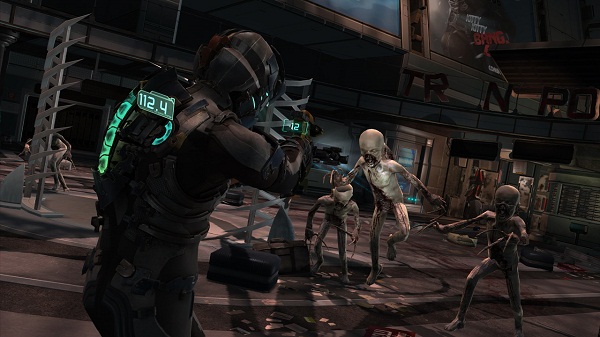
It’s a disconcerting sign of the times when games we took to with so much gusto in the past -- Dead Space 2, anyone? -- have multiplayer modes that seem absolutely out of place foisted upon them. Even stranger is BioShock 2’s insistence upon a multiplayer mode detracts from the qualities I found laudable in its predecessor. The original's loneliness lent a morose, somber tone to the journey that echoed throughout the entire game -- from the halls of Andrew Ryan’s underwater nirvana to the Big Daddy suit players filled near the game’s completion.
So what, right? If I don’t like it, I shouldn't play it. That same principle is one I have applied to many a situation in my 20 years of living, and each time I find it to be more and more of a cop out than ever before. It’s easy to ignore the fact developers drag quality titles through the mud with the inclusion of bug-ridden, glitchy multiplayer options that require new patches every subsequent week. It’s easier to lie or to pretend that we, as gamers, are OK with this practice. And it’s frightening to think that so many of us tolerate this sharp drop in quality that it’s starting to become the norm.
When a game’s multiplayer forays are so mind-numbingly dull they force you to reconsider your experience with the single player campaign, you know you’ve got a problem. And like the key you know you missed during your first run of the Water Temple in Ocarina of Time, a solution that benefits all parties will be difficult (and tedious) to find. I’m in it for the long haul, but how many more years of this are to come?
Let’s party up. It’s time for change.
Note: I originally posted this at Spawn Kill, a website I founded and managed for a year. I've since stepped down, but I thought I'd share it here with you all and open up the floor for discussion.