Home
Home

As someone interested in video-game preservation, I'm incredibly excited about the potential of the Romero Archives. Evan has the details.
Last weekend, the 2010 IndieCade Festival hosted a slew of incredibly interesting panels in Culver City, CA. One of them concerned the Romero Archives, a repository for video-game history started by John Romero, one of the creators behind the influential id Software shooters Doom and Wolfenstein 3D.
While other video-game archives exist at universities and museums, Romero's is more focused on preserving the stories behind the games than the games themselves. Interviews with early developers will be filmed and then cataloged in a free online database. Many of the developer interviews will be conducted by Romero himself, whose primary intent is to ask about the relationships between code, hardware, and the state of the industry during a developer’s tenure. Each developer entry in the database will include a complete ludography, bibliography, and discography.
If successful, the archive (and other burgeoning video-game archives throughout the world) will give the games industry something no other medium has: documented evidence of its early years.
Think of asking Beethoven how he wrote the Fifth Symphony or knowing how Michelangelo came up with the design for the Sistine Chapel. The information we'll receive from game developers will be raw, unfiltered through the lens of a theorist, biographer, historian, or college professor.
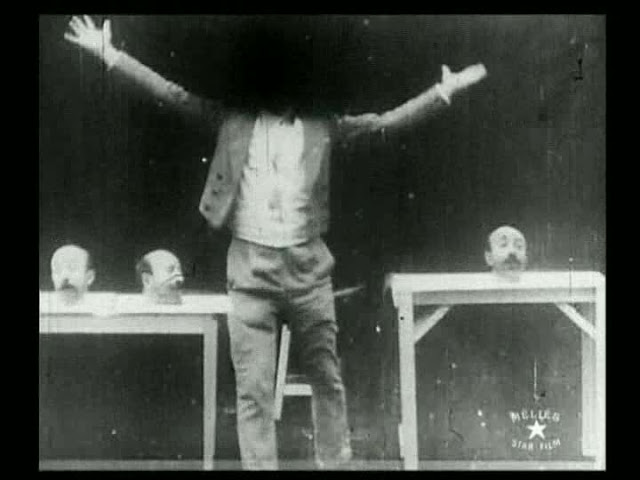
Not even film, another young artistic medium, can claim this knowledge. Since the moving image was considered a novelty at its birth (sound familiar?), many early films -- and the motivations filmmakers had for making them -- are lost to history. Any authentic notions of why George Méliès, for example, made films the way he did are gone.
Ultimately, the Romero Archives could easily help future generations understand the context of gaming throughout its history. For a burgeoning art form, this will be invaluable.
The archive is an ongoing project and currently has about 14 developers, however, Romero estimates he won’t debut the archive to public until about 2015. You can find out more about the archive by listening to the IndieCade panel cunducted by Colleen Macklin or by checking out the Romero Archives blog.