Home
Home

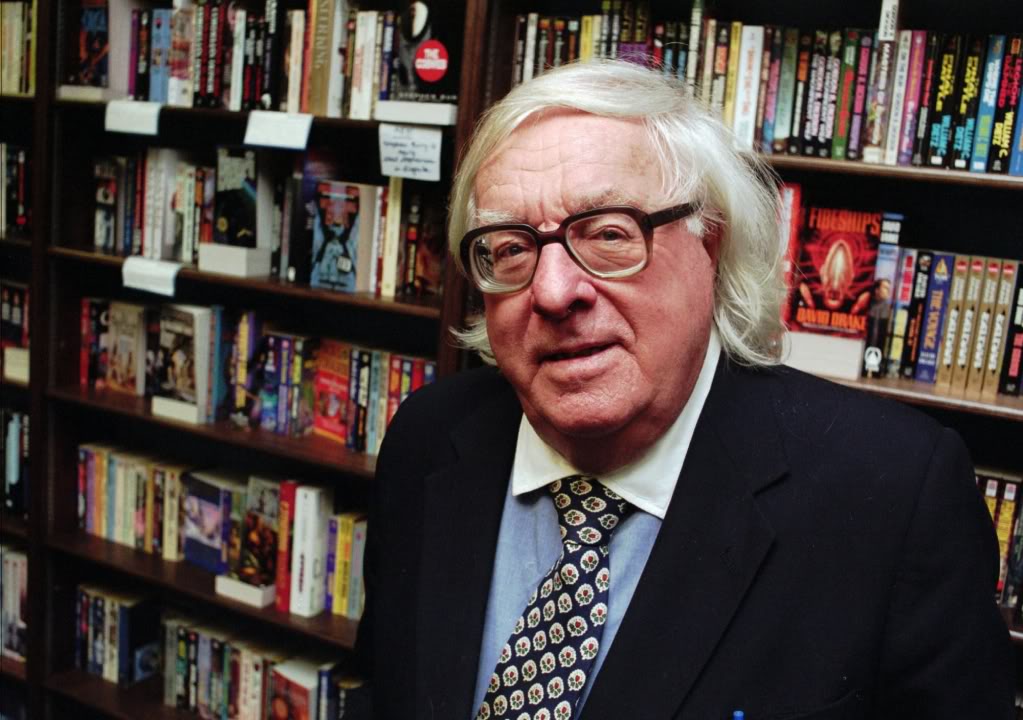
I don't know if you noticed with all the games-industry hooplah going on, but Ray Bradbury died this week.
The influential speculative-fiction author, whose works included The Illustrated Man, A Sound of Thunder, and The Martian Chronicles, died on Tuesday at the age of 91. His death occurred the day after Microsoft revealed its new SmartGlass application at the Electronic Entertainment Expo (E3), and I can't help but think that if Bradbury were still alive now, he would be telling us all what an insane idea it is.
Microsoft's SmartGlass allows its Xbox 360 console to communicate seamlessly with tablets and smartphones. Devices using the app can transfer data back and forth; for example, during the reveal, Microsoft executive Mark Whitten streamed Sherlock Holmes: A Game of Shadows over the 360 and then instantly transferred the feed to a tablet with no interruption in the movie. When it wasn't showing the movie, the Android tablet displayed information about the film like the cast and crew listings and behind-the-scenes trivia.
"With Microsoft SmartGlass, movies are more engaging," Whitten declared.
Now, back to Ray Bradbury.
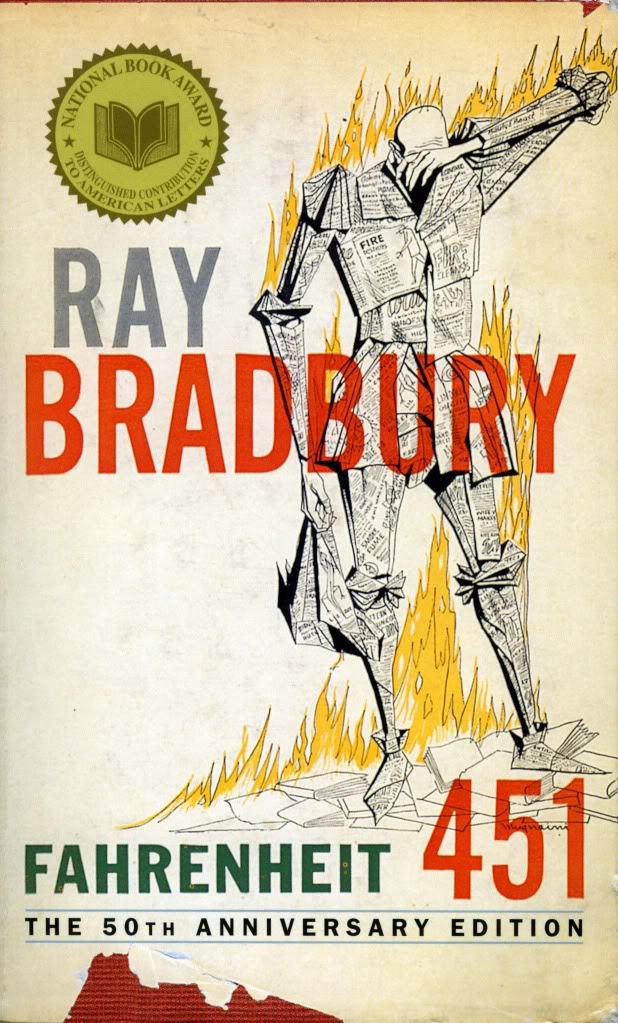 In one of Bradbury's most famous novels, Fahrenheiht 451 (published in 1953), society has deemed all literature dangerous, and so-called "firemen" go from house to house, destroying every book they find. The most common interpretation of the story is that it is about censorship, especially when juxtaposed with the book-burning common in fascist regimes.
The author's real intention with Fahrenheit, however, is more subversive: "You don't have to burn books to destroy a culture," Bradbury said. "Just get people to stop reading them."
Guy Montag, the protagonist of the novel, is one of the firemen tasked with eradicating all of the dangerous ideas in the world. Meanwhile, his wife Mildred sits and watches vapid soap operas (really thinly-veiled advertisements) on the "parlor walls" that take up three of the four sides of a room. Her deepest desire is for Guy to save up enough money to buy the fourth wall so that she can truly immerse herself in her entertainment and live among the fictional characters who she considers to be her friends.
Basically, Fahrenheit 451 isn't so much against censorship as it is against television.
"I wasn't worried about freedom, I was worried about people being turned into morons by TV," Bradbury says in a video clip on his website (it's the one called "Censorship and Television"). "Fahrenheit's not about censorship, it's about the moronic effluence of popular culture through local TV news, the proliferation of giant screens, and the bombardment of factoids. All the popular programs on TV, the competition programs, they don't give you anything but factoids. They tell you when Napoleon was born, but not who he was."
All the while Microsoft was presenting SmartGlass, I was thinking about Ray Bradbury and wondering how, exactly, more information means more engagement. Does the ability to look from one screen to another really add to what we're experiencing, or does it simply amplify the silliness inherent in watching flickering images for entertainment?
In the end, as with all media, the answers to these questions depend on how SmartGlass is used. It has the potential to bring truly unique experiences into our homes, but it could also just be another parlor wall.