
As I sit behind my friend, he takes on Left 4 Dead for the first time.
Spending literally two minutes to gain the courage and descend into the apartment building from the rooftop, he finally commits and faces fear head on with a shotgun and a will.
He jumps, as he blows away a boomer, frequently yelling and making rash movements. The scene calms down and he stumbles across his first witch.
Inferring from there, it's safe to say video games have the capacity to send the player into fear, feeling alone or claustrophobic. Because you're the one in control, games will ask, "Well, what are ya gonna do next?" Differing from a movie where the plot unrolls in front of you, the game tells you to figure it out, and leaves you for dead.
Alan Wake pulled this off in a significant way. Leaving you with the a flashlight and a pistol with a considerably meager amount of ammunition, you are pushed to taking on the unthinkable in a hazed setting, surrounded by suffocating shadows and violently changing light vs. dark implication. For the most part this works really well, but when you take on many enemies at once, it's not as stressful.
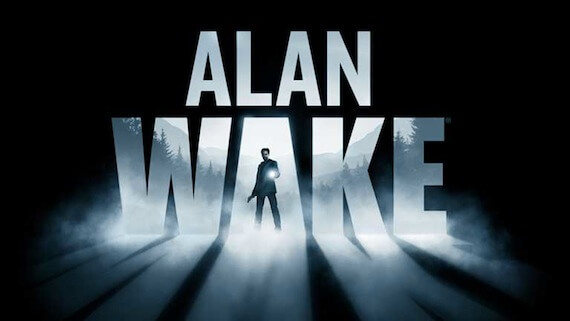
Alan Wake reawakened the horror game this year, garnering positive reviews.
With the enemy in the open, they become more real. They are no longer behind you, hidden anywhere; they're in front of you, and you are certain you can take them out. This presence of control has a harsh contrast on the game's design; you see shadows and you know it's not the enemy because they're standing right in front of you. No longer do you have to deal with where they are as well as how you will overcome them, but just the latter.
This theme of control is universal of ruining the scare tactic, because you can play it out how you want, and your instinct wants you to be safe before anything else. Even summer evenings playing dark tag in the wood -- your targets are backing into feeble positions while you lurk knowing where every chess piece is, and where it can go.
Now think if you were to be out in the open nonchalantly walking towards them. They know when to run and that safety is a stroll slightly faster than their friend's.
When video games put you into that primal instinct of, "I'm not safe I'm getting out of here," there's nowhere to go but face the enemy head on, and that resulting rush of adrenaline is where the appeal comes from. But when a game sticks to something good for too long, it quickly loses its appeal.
Repitition gives the player comfort in a steady predictably factor in their favor as to what will happen next. When they know this, they are more eligible to be put in a safer scenario and in turn the game loses the adrenaline rush.
In order for a scary game to succeed, it must take that primal instanct of getting to safety in a situation, and manipulate it into finding no other option but to lose their head.
With games like this, they are increasingly unable to resonate with horror fans and slowly losing revenue or just what the definition of a horror game is.
Many confuse that pleanty of gore and violence defines a horror game, but it really depends on the psychological mind-play.
Figuring out the formula to a good psychologically disturbing title can, in my imagination, be extremely difficult to crack. The game can't be tailor made to what strikes fear in one part of the audience, it has to universally captivate the consumer's end and propose something unfathomably scary that many and all can quickly jump on board with.
"The Scream" by Edvard Munch