Home
Home

Jonas explores the medium's untapped potential to offer greater, more varied, and more interesting character development by foregoing the allure of placing players in the shoes of the hero archetype. I'd like to see more of that as well.
This article contains spoilers for Mafia 2.
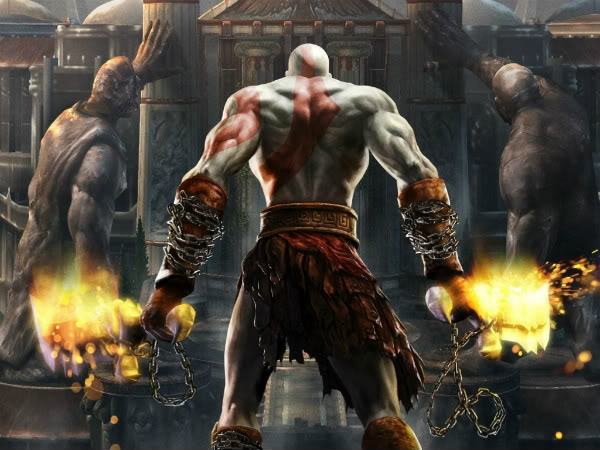
We stomp goombas on our way to rescue the princess, we save the world from nuclear destruction in the nick of time, and we vanquish the great evil that stalks the land.
Are games a power fantasy? Escapism? They allow us to almost, but not quite, become icons of the ideals we believe in, but that’s a narrow-minded definition.
Throughout history, many have found themselves on the wrong side (such as the Inquisition or the Nazis), but they believed that their goals were the enviable ones -- goals that were worth killing and dying for.
When have we played as someone who was on the other side of that coin?
But first, let us examine what a hero really is, and why heroism is so appealing.
The definitions of the word hero are many: "illustrious warrior" and a "mythological or legendary figure [...] with great strength and agility." However, the closest useable definition in our modern world has to be “one who shows great courage,” one of the greatest virtues anyone can possess.
This is most often demonstrated by rescue workers, who in the face of danger put their own life at risk to save the lives of others. But in the world of games, the player can sit safely behind the screen, saving the lives of innocents without risking his own skin. In other words, heroism loses its meaning in video games but not its appeal. Who doesn’t want to be hailed a hero by the cheering crowds?
The word has its origins in Greek (referring originally to a demigod), and only later has the role of the hero been defined as a courageous one. Although the Greek (and Roman) heroes often had some quite cruel ways -- methods that today would not be considered noble or heroic. The characteristics of the hero have changed. They are all tied closely to the social structure and ideals that ruled at the time.
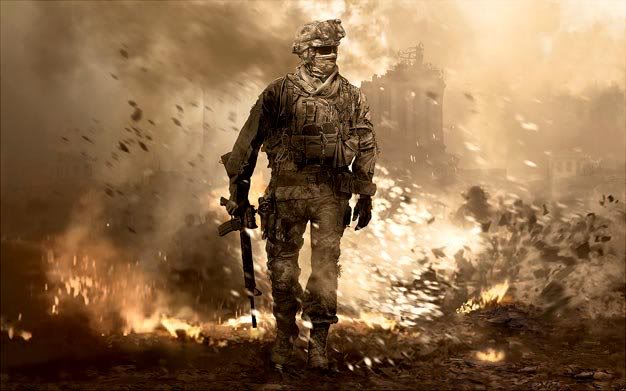
Phil Leigh fromInside Digital Media brings Christopher Vogler's outline of the twelve stages of a hero’s journey over to the world of video games by claiming that when gamers undertake the hero’s role in, say, Dragon Age or Call of Duty, they not only vanquish the great evil but undergo a journey that leads to “valuable psychological truths.” In essence, undertaking the hero’s role is an intensification of life.
Ultimately, the role of the hero -- however appealing it is -- has been done to death. But more importantly, many interesting stories -- some of which you’ll get a small glimpse of -- have rarely been told in this medium, which is a damn shame as it could use some deviations from the norm. These are games that show the other side of “good,” and the endings aren’t always happy.