

DLC (downloadable content) in videogames is still a relatively new concept. It wasn’t too long ago that boxed copies, offering no future new content, were the norm. What you bought on day 1 was what you still had on day 365. Now, software updates come regularly, offering bug fixes and new gameplay. Widespread internet connectivity is why this is possible: everyone’s PC, game console, or portable device has an internet connection. But for many the dark side of this new freedom is DLC.
DLC is supposed to be a good thing. Its promise is to add useful and meaningful content to a game that has already been released. This comes in the form of new items to use, new characters, or even entirely new levels. Players of iOS games routinely see these things added to games they have purchased. For example, Cut The Rope has nearly doubled its number of levels through DLC, and all of these came from free updates. This keeps the game fresh, bringing in new players, and it raises the value of a product for existing players. Sometimes this content isn’t free, however. Bethesda released an add-on for The Elder Scrolls IV: Oblivion called Shivering Isles. At $30, it added 30+ hours of gameplay. While expensive, it’s difficult to argue that $1/hour is a bad value.
But Bethesda also released this now-infamous DLC item for the same game: horse armor.
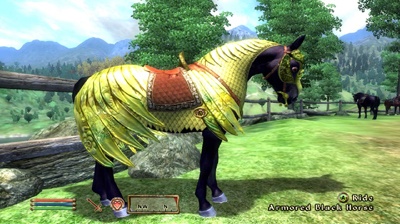
In 2006, “microtransactions” in videogames were new but already very controversial. (The controversy is still swirling, in fact.) But then Bethesda released horse armor for Oblivion, and there was a huge backlash. It cost $2.50, added some armor to your horse in the game, and offered no additional benefits. Why all the dissension? It was an optional purchase, after all: if the item is not meaningful, don’t purchase it. But people did purchase it, and people still purchase it. Why?
Many are probably just oblivious, and don’t think twice about dropping a few dollars on something shiny, but useless. Others have a completionist mentality: they want to collect every item in the game. Call it OCD, but it a fairly common thing. By offering some items as DLC, the only way to collect every item is to pay extra for the privilege. This is demoralizing to some. To others, it is simply irritating. It adds a grocery store checkout counter element to games: tiny items of no real value, foisted upon the player. Little knick-knacks that bring nothing but clutter. And this just to cushion profits just a bit. It reeks of greed, but that’s what capitalism is built on, isn’t it? As long as people buy it, publishers will continue to insist on including these useless items.
But things aren’t getting better: this practice is becoming more pervasive. The just-released Portal 2 has microtransaction-style DLC as well: as seen in the beginning of this (hilarious) video. Even the most critically-acclaimed games aren’t exempt, it seems. The best we can do is give publishers no reason to include these items in the future by not buying them, but I’m afraid it is a losing battle. Five years later, it looks like horse armor is here to stay.