

Brad makes a good point here. Multiplayer games have to depict two opposing sides by default. Should it automatically generate controversy because society doesn't like one of these groups? We're still shooting at each other no matter how you label the teams.
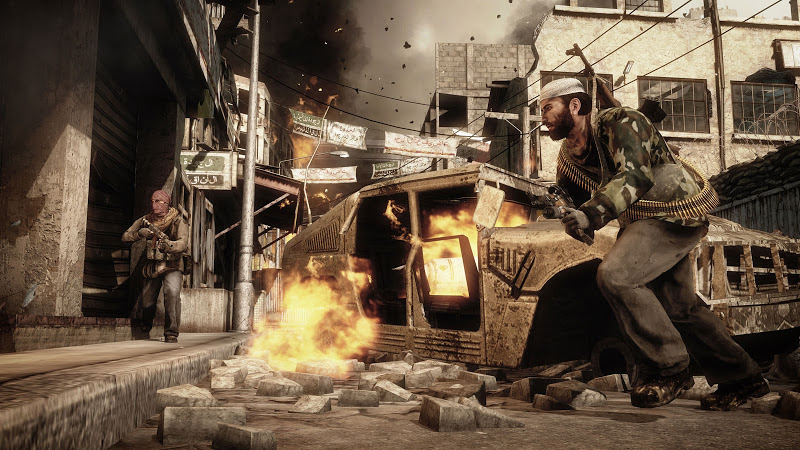
In the most recent of a long line of media flashpoints in video game coverage, critics singled out Medal of Honor’s multiplayer mode over the fact that players “take on the role” of Taliban soldiers during matches. This has sparked some choice quotes, both from a British General and EA Europe’s PR Department. A lively debate over what constitutes appropriate content for video games has also flared back up even though it has been largely dormant since the Six Days in Fallujah controversy.
The various parties involved make some great points. Why should we single out video games when no one bats an eye when a film, novel, or television show depicts the same conflicts in Iraq or Afghanistan? In those cases we all intuitively understand that we should reserve judgment for the final product. People often have no patience with games, and they prefer to lash out at the shear audacity of their existence.
Does the industry’s capacity to treat such subjects with the appropriate reverence and respect simply not yet exist? We, as gamers, often bristle when society depicts us as infantile dullards. However, it is difficult to shake such preconceptions when a woman can’t express her disappointment in a new game’s implicit sexism without the community viciously attacking for her gender in the most crude and offensive manner possible.
Yet, in the case of EA’s reboot of Medal of Honor, we have a misconception that we should be able to correct easily. People rankle at the idea of “playing as a Taliban soldier”, but in multiplayer matches that isn’t really an accurate description of what happens. In actuality, the game randomly assigns players to one of two teams. The two sides play identically, and the only real differences are cosmetic or related to objectives in certain modes. In fact, when you play the objective-based modes you automatically switch between American and Taliban, or more accurately, Offense and Defense, at the end of each round.
In the context of competitive multiplayer, the “team” you are on is completely meaningless. You don’t identify with the side you are playing on because they are American or because they are Taliban. Everyone on your team is just another dude playing this game who wants to win. And everyone on the opposing team is, likewise, just another gamer looking to help their side win a round. Ideology doesn’t come to play. Winning or losing doesn’t further some political cause, and nobody is getting hurt. In a game like this, American and Taliban are just transitive descriptors with no more meaning than if it was red vs. blue or shirts on skins.
It is perhaps a sign of a young medium that gamers are quick to rail against perceived slights, discredit detractors, and mount a vigorous defense of the medium as a whole. Too often we also overlook opportunities to correct misconceptions and educate the uninitiated about what playing a game like Medal of Honor is actually about. Vigilance can be important, but it is not always about rallying the troops and sneering at the mainstream press.